Welcome to Africa Cycads
|
Cycad Trivia Encephalartos horridus, the Eastern Cape Blue Cycad, has been described as one of the most unusual of all the South African species. It is particularly known for its distinctly blue-grey leaves, although the degree of colouration can vary significantly. The species name “horridus” is Latin for “bristly”, after the plant’s stiff, spiny leaflets.  |
||
New Cycad Arrivals: | ||
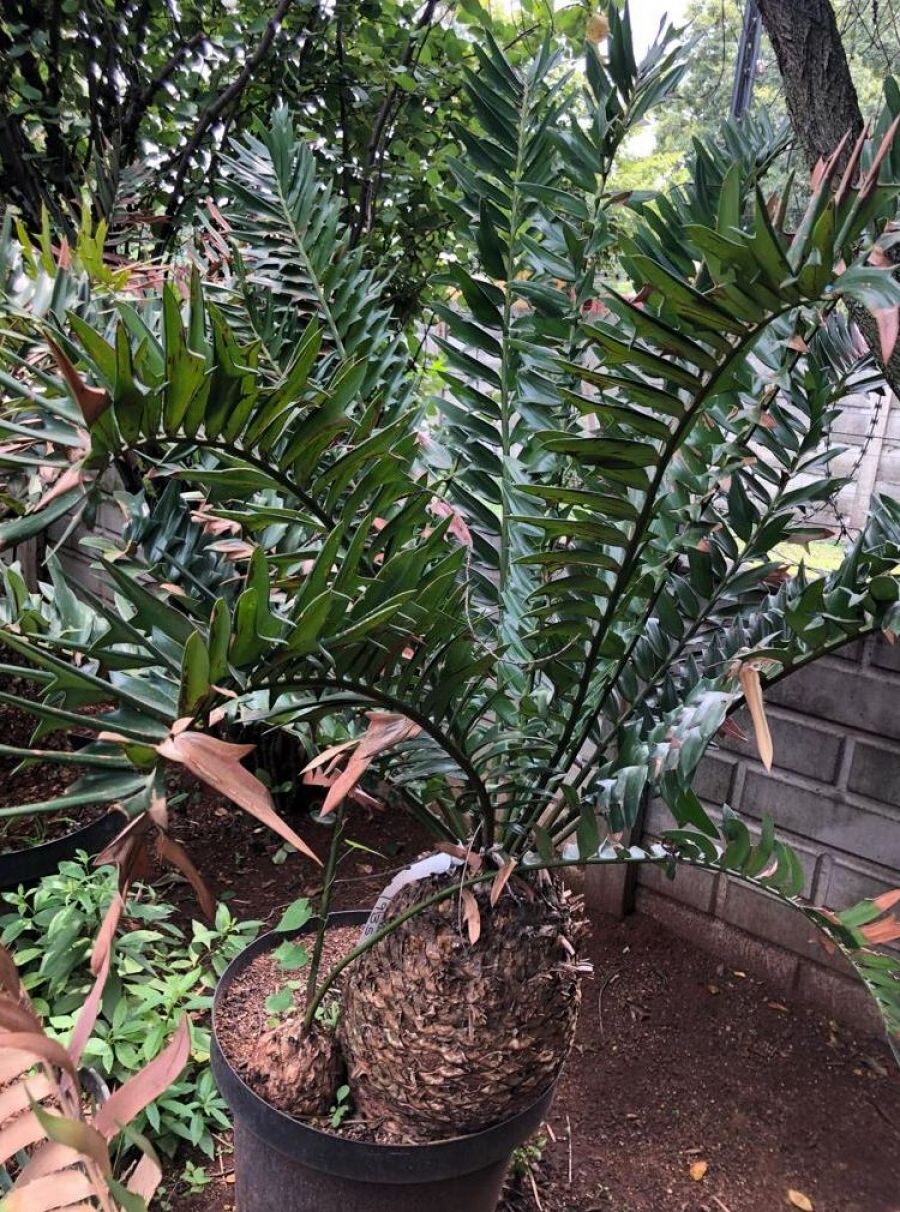
Alexandria Cycad View Details E. arenarius Price: R 18,000.00 Potted | 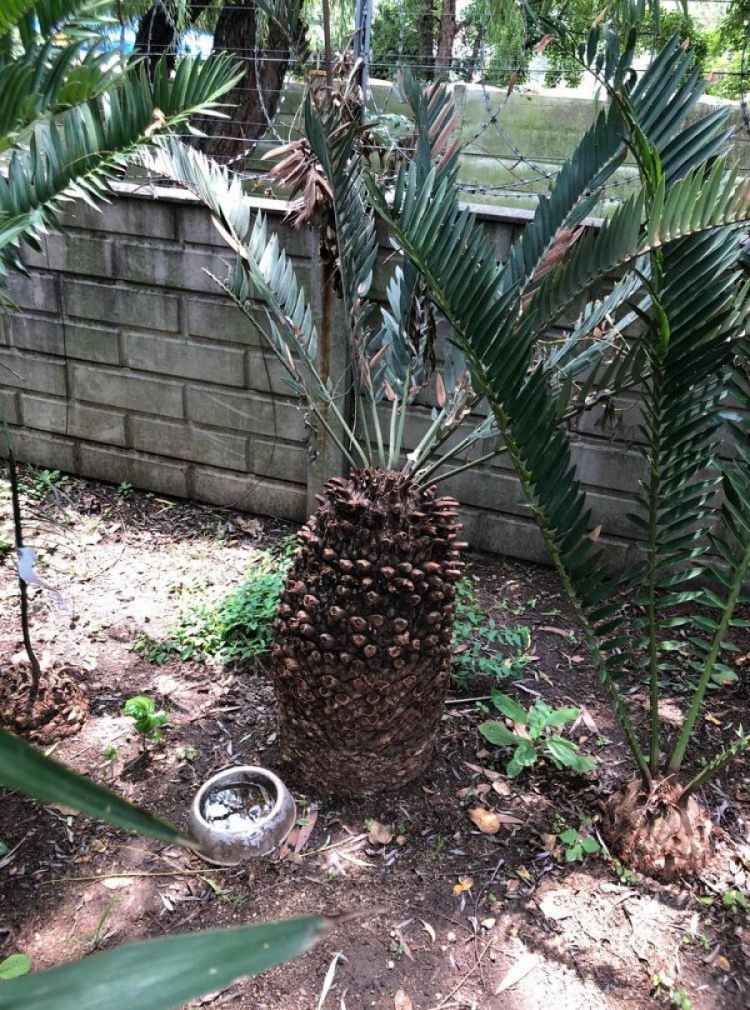
Suurberg Cycad View Details E. longifolius Price: R 9,500.00 nmd | 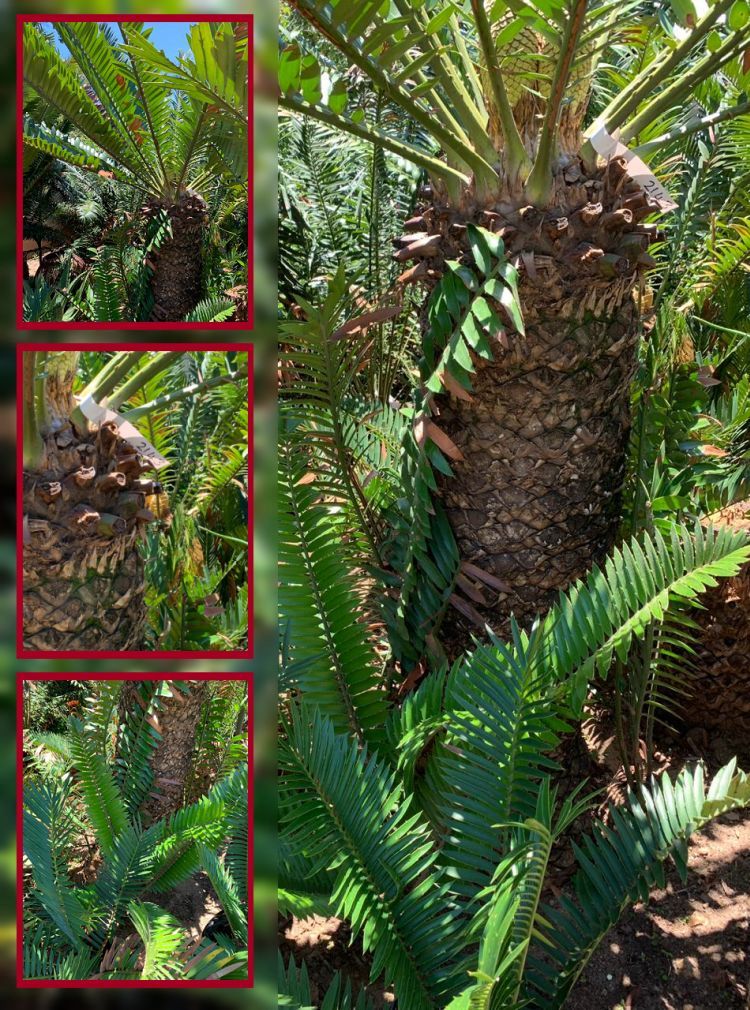
Natal Giant Cycad View Details E. natalensis Price: R 23,500.00 nmd |
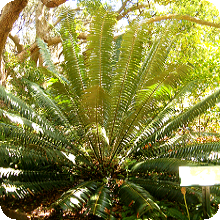 Encephalartos paucidentatus, also known as the Barberton Cycad, is endemic to the mountains near Barberton in Mpumalanga Province, and near Piggs Peak in the northwestern part of Swaziland, South Africa. This species occurs sparsely on steep, often rocky, slopes in low forest and mountain bush. Plants grow mainly between trees alongside streams in deep gorges.
Growing in regions that are heavily forested with steep rocky slopes and in semi shade, those found on rock cliffs have slender stems while those found growing in semi shaded area have thicker stems which can reach up to 6m in length and 40 to 70cm in diameter. The climate is hot in summer and cold in winter.... Encephalartos paucidentatus, also known as the Barberton Cycad, is endemic to the mountains near Barberton in Mpumalanga Province, and near Piggs Peak in the northwestern part of Swaziland, South Africa. This species occurs sparsely on steep, often rocky, slopes in low forest and mountain bush. Plants grow mainly between trees alongside streams in deep gorges.
Growing in regions that are heavily forested with steep rocky slopes and in semi shade, those found on rock cliffs have slender stems while those found growing in semi shaded area have thicker stems which can reach up to 6m in length and 40 to 70cm in diameter. The climate is hot in summer and cold in winter.... |