Welcome to Africa Cycads
|
Cycad Trivia Encephalartos eugene-maraisii is endemic to South Africa, where it is limited to Limpopo. It is known as the Waterberg cycad. The species was named for South African naturalist Eugène Marais.  |
||
New Cycad Arrivals: | ||
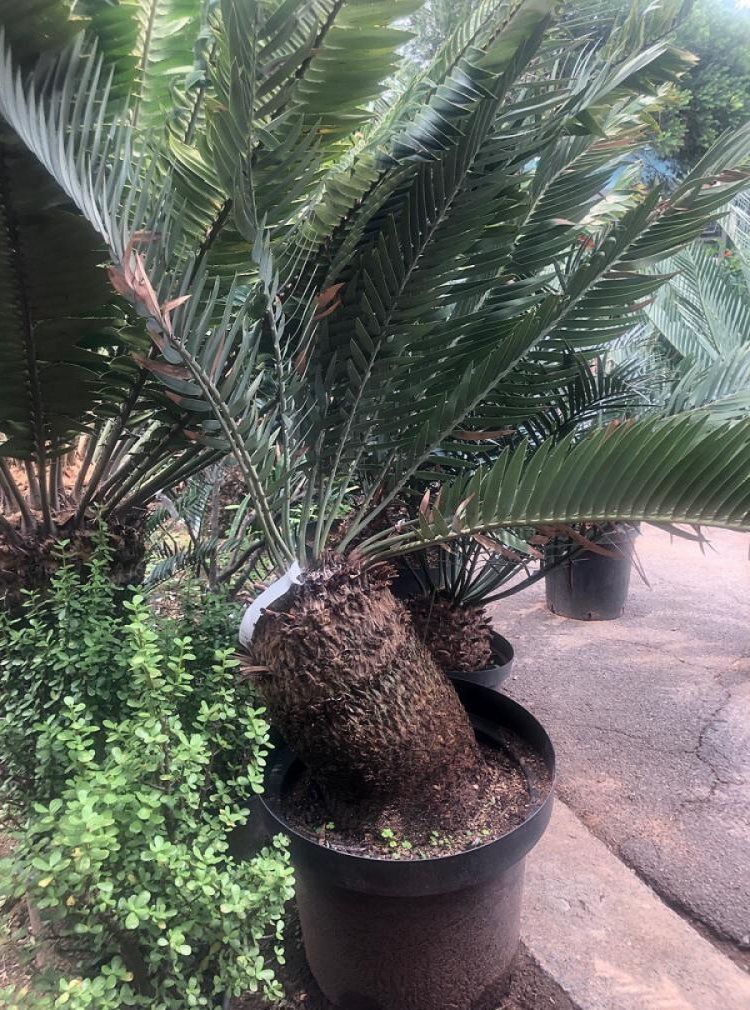
Waterberg Cycad View Details E. eugene-maraisii Price: R 25,000.00 Potted | 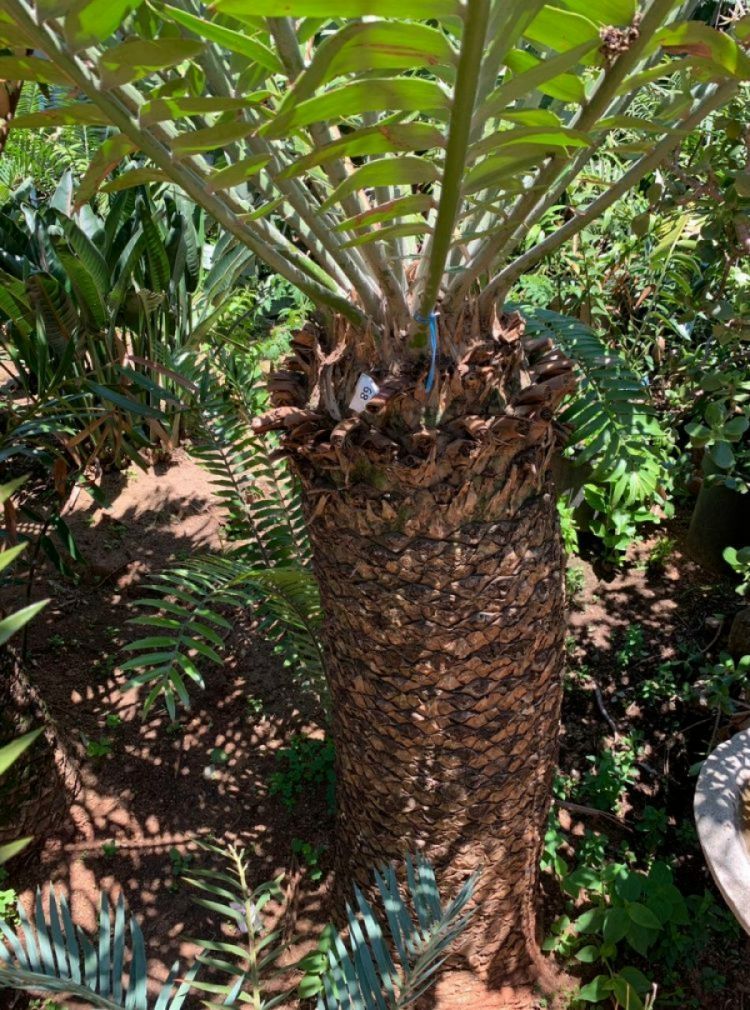
Gorongo Cycad View Details E. manikensis Price: R 16,500.00 nmd | 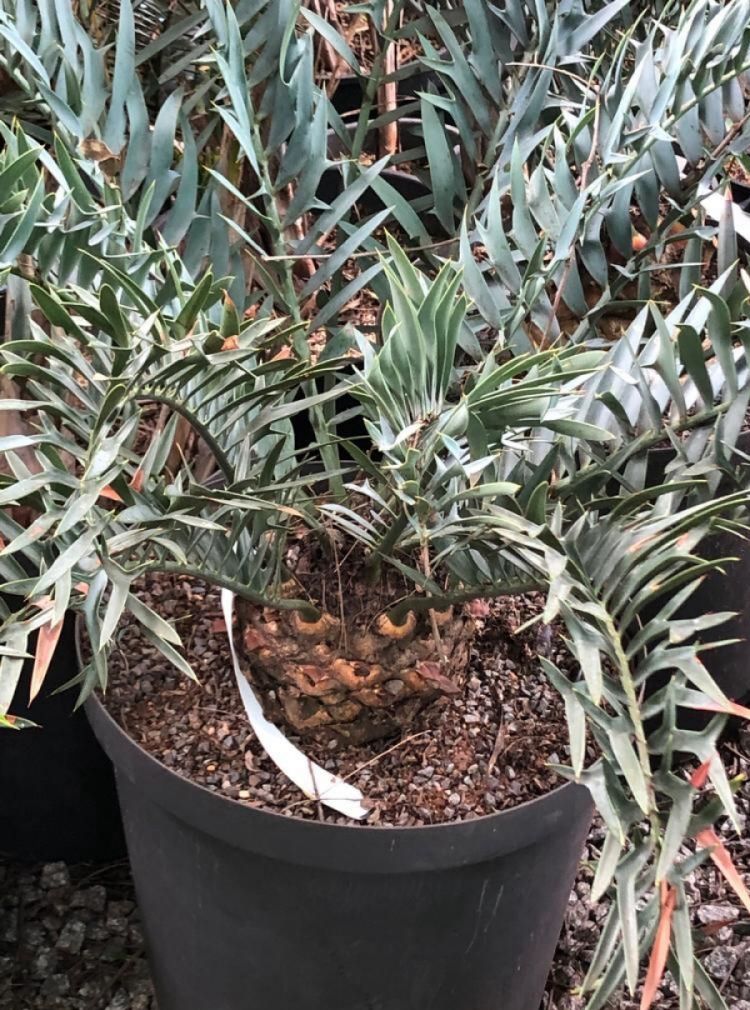
Eastern Cape Blue Cycad View Details E. horridus Price: R 4,500.00 Potted |
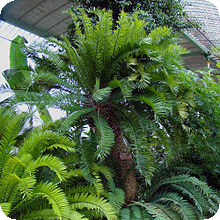 Encephalartos altensteinii is a palm-like cycad that is endemic to South Africa. The species name altensteinii commemorates Altenstein, a 19th-century German chancellor and patron of science. It is commonly known as the Eastern Cape giant cycad, umphanga, umguza, isundu (Xhosa) or uJobane (Zulu). It is a very ornamental garden plant and probably the most common of all the cycads in cultivation. This species is long-lived, is easy to grow and in time develops into large specimens.
This cycad grows up to seven meters tall and may be branched or unbranched. The leaves are straight or curved backwards and up to three meters in length. The leaflets are rigid and fairly... Encephalartos altensteinii is a palm-like cycad that is endemic to South Africa. The species name altensteinii commemorates Altenstein, a 19th-century German chancellor and patron of science. It is commonly known as the Eastern Cape giant cycad, umphanga, umguza, isundu (Xhosa) or uJobane (Zulu). It is a very ornamental garden plant and probably the most common of all the cycads in cultivation. This species is long-lived, is easy to grow and in time develops into large specimens.
This cycad grows up to seven meters tall and may be branched or unbranched. The leaves are straight or curved backwards and up to three meters in length. The leaflets are rigid and fairly... |